📰 English Version Summary of the Story
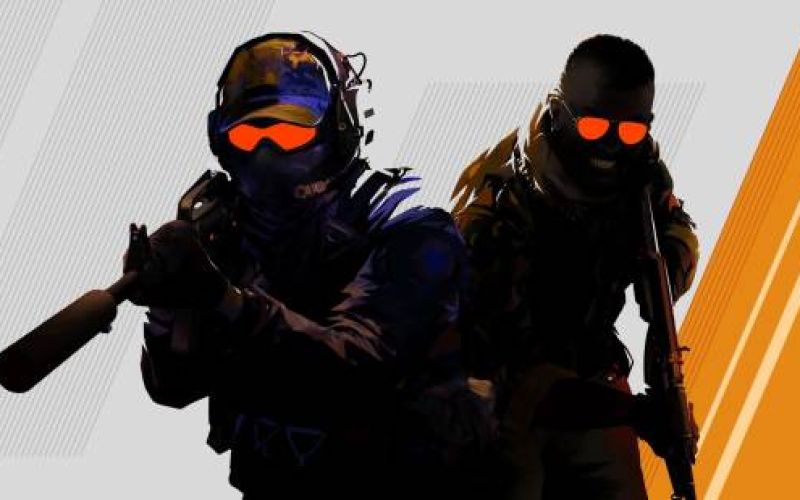
According to recent reporting (e.g., in EDGE magazine), Minh Le — co-creator of Counter-Strike — admits that when he and his partner sold the original free mod to Valve in 2000, they had little idea of what they were giving up. At the time, they saw Counter-Strike as a passion project, a free mod of Half-Life, and assumed it would never be a big money-maker. As Le recalls:
“Counter-Strike was a free mod. I remember talking to [Jess Cliffe] and asking, ‘How are they even going to make money off this?’ To us, they could have offered any amount, and we would’ve accepted. We didn’t understand the value. We didn’t negotiate.”
He went on to take the offer — becoming a Valve employee — but now says that from a financial standpoint, leaving when he did was “kind of a poor decision.” He admitted that if he had stayed, he might have been able to retire already.
Indeed, today Counter-Strike 2 remains massively successful: it's one of Valve’s biggest earners, thanks to microtransaction-based loot boxes. According to recent data, players open tens of millions of crates each month — generating hundreds of millions of dollars in revenue for Valve.
Despite this, Minh Le emphasizes that he doesn’t fully regret his choice: he felt constrained by the creative environment at Valve and wanted to pursue his own vision. Over the years, he has pursued other projects (including Alpha Response), learned from his mistakes, and grown as a game developer.
💭 My View: Pragmatic Choice or Regretful Loss?
Whether this was “pragmatic” or “regretful” depends on what metrics you prioritize. I lean toward calling it a bit of both — pragmatic at the time, but with long-term regrets.
✅ Pragmatic (at the time)
- At 20 years old, with modest financial stability and uncertainty about long-term success, accepting any offer that provided immediate security made sense. As Le said, he viewed the deal as a “lottery win” — one that would quickly alleviate personal and family financial burdens. T
- They didn’t expect CS to become a giant global phenomenon. It began as a modest mod project — few could foresee the explosion of esports, skins, and microtransactions.
- For a young developer, working for a respected company like Valve — his “idol” — likely seemed a dream scenario. As Le recalled, the idea of working there was overwhelming.
❓ Regretful — from a long-term value perspective
- In hindsight, Counter-Strike has become a multi-billion-dollar empire, and if he had stayed, he could have had financial security and retirement by now. Le himself admits this.
- By leaving, he gave up recurring income, royalties (if any), and the long-term residual value tied to a flagship franchise that remains relevant 25 years or more later.
- The sequel roadmap he envisioned (“CS 2.0”) was shelved once Valve judged the original CS “untouchable.” That suggests he sacrificed long-term creative influence for short-term gains.
So while the choice was understandable — even wise — under the circumstances, it also entailed giving up upside that few could have anticipated at the time.
The above content is compiled by ModeZone, a fashion and entertainment magazine.