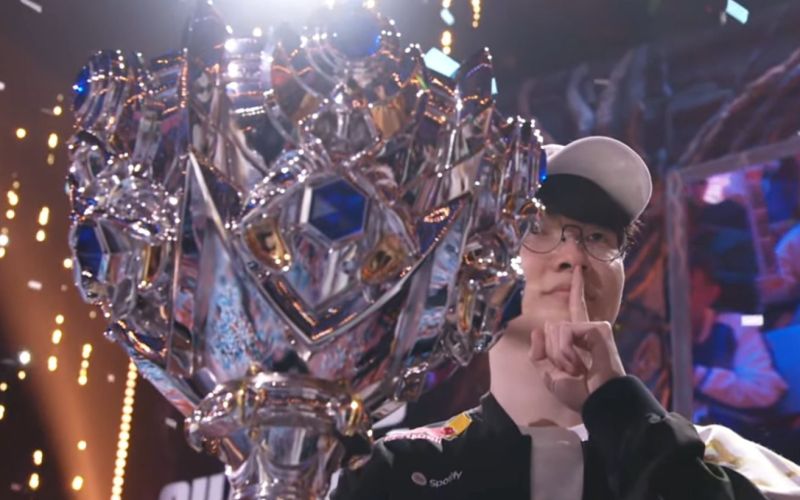
Lee Sang‑hyeok (aka “Faker”) – Health Watch: What the Reports Really Say
1. Background & Context
Faker is widely regarded as one of the greatest professional esports players in League of Legends history — a six‑time world champion and the face of the T1 esports organisation.
Recently, he mentioned in a media Q&A:
“I plan to continue my professional esports career. My goal is to give everything until 2029. I recently did a medical check‑up and found a few minor issues, which made me realise how important it is to take care of my health. I will continue working hard while putting my health first.”
That statement emphasises the fact that even top‑level players are confronting health matters and making adjustments — especially with longevity in mind.
2. What Health Issues Have Been Reported?
Below are the main health‑related concerns that have been publicly reported.
a) Wrist / Hand Issues
- Reports from 2023 showed that Faker had a wrist injury, which at one point forced him to take a break from competition.
- An article noted: “Fans speculate that Faker’s recent gameplay mistakes indicate underlying wrist issues. The possibility of Faker retiring or taking time off due to his wrist condition is discussed.”
- Another source: “The renowned player … has revealed during a press conference … he is experiencing hand pain, which is negatively impacting his gameplay.”
This suggests that repetitive strain injuries (common among esports athletes) are a real concern.
b) General Physical Strain & Age‑related Wear
- In a December 2024 interview, it was reported that while Faker used to feel “very in shape,” he recently experienced pain in his elbows and knees, and emphasized how sitting for long hours and heavy wrist use posed a chronic burden.
- A broader article on his mental and physical health mentioned that “amidst the celebrations … fans express worries about his well‑being. His past wrist injury raises questions about the physical demands of professional gaming and the importance of player health.”
c) Mental & Emotional Health
- An article highlighted concerns when Faker appeared distraught after a match, which sparked discussion among fans about his mental health.
- A “mental health struggles” article pointed out that a video of Faker's breakdown triggered alarms about well-being in esports.
These sources reflect that not all health concerns are physical — the mental/emotional toll of long‑term high‑level competition is significant.
3. Why It Matters
- Longevity: Faker targeting “until 2029” means he is aiming for a long career. The longer you stay at an elite level, the more wear & tear accumulates — physically (wrists, posture, joints) and mentally (burnout, focus).
- Role‑model effect: As one of the most visible esports players globally, his treatment of health issues may set a precedent for younger players — emphasising prevention, care and sustainability.
- Performance implications: Even “minor” health complaints can affect reaction time, consistency, macro decision‑making — especially in a game where milliseconds and precision matter.
4. What Is Faker Doing to Address It?
From the available reports:
- He has acknowledged “minor issues” and placed emphasis on health above merely chasing results (as per his quote).
- He mentioned doing a lot of sport / physical exercise to rehabilitate his body, particularly due to long hours sitting and wrist use.
- There is growing discussion in the community about the need for structured health & wellness regimes for pro esports players (ergonomics, physiotherapy, breaks).
5. Risks & Considerations
- Still Unclear: While wrist/hand issues are referenced, there is no public detailed medical report specifying diagnosis, severity or expected recovery.
- Aging athlete: Though 28‑29 is not old in many sports, in the esports context, where many players peak younger, staying at peak form into the 30s remains challenging.
- Mental health: Pressure to perform, legacy expectations (six‑time champion) and the constant spotlight mean mental resilience is required.
6. Outlook & Implications
For Faker and for the broader esports ecosystem:
- If Faker can manage his physical/mental health effectively, he could continue to perform at an elite level and extend his legacy further.
- His actions around health (training, rehab, openness) may influence how teams treat player welfare in the future (e.g., scheduled rest, health staff, monitoring).
- For younger players in T1 and elsewhere, watching a veteran like Faker emphasise health is valuable — it suggests “peak now, but also sustain for later.”
7. Summary
Faker’s acknowledgement of “minor issues” after his medical check‑up is more than just a headline sound‑bite: it is a signal that even esports legends must adapt. With wrist/hand concerns, general body strain from long hours of play, and mental/emotional wear, Faker’s health journey illustrates the evolving demands of professional esports. His willingness to prioritise health, while still renewing his ambition to 2029, sets an example. The key now will be how he manages the balance between health and championship‑level performance — both for himself and for the broader esports community.
The above content is compiled by ModeZone, a fashion and entertainment magazine.