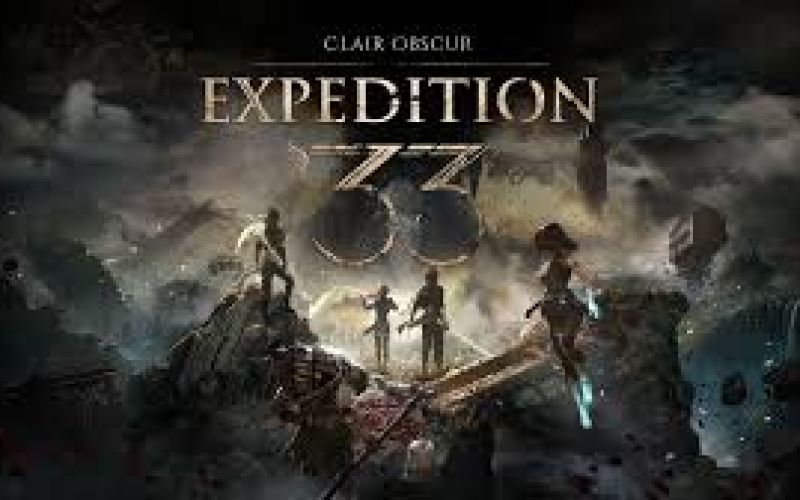
Clair Obscur: Expedition 33 Lead Writer: "I Never Wrote It as an RPG; It Was Like Writing an HBO Series"
If you felt that the narrative atmosphere of Clair Obscur: Expedition 33 was distinctly different from most RPGs you’ve played, that sense of "dissonance" wasn't an illusion.
Recently, Jennifer Svedberg-Yen, the lead writer of this 2025 "Game of the Year" contender that has swept major awards, pinpointed the reason in an interview with Edge's Knowledge newsletter: From the very beginning, she never intended to write it using the "RPG playbook."
The "Outsider" Advantage
Expedition 33 has now bagged multiple narrative accolades, including Golden Joystick and TGA wins, with discussions about its plot often overshadowing the gameplay itself. Interestingly, this success largely stems from a "non-traditional" creative path.
When asked if the fact that many team members did not come from a traditional game development background affected the work, Svedberg-Yen was frank.
"Of course, it brings challenges; we are beginners," she said. "But because of that, we could bring in the aesthetics, experiences, and perspectives accumulated from our lives outside of gaming, and weave the best parts of other media into this game."
She described a recurring state during development: "We didn't even know what we didn't know."
In other words, the "default rules" that have long formed inertia in traditional game development didn't exist for them. When others might subconsciously reject an idea, they would instead ask: "Why not?" This state of constantly challenging one another became the norm during the creation of Expedition 33.
The HBO Approach
Crucially, Svedberg-Yen admits she isn't a writer who "grew up playing RPGs." In fact, she barely played video games before joining the project. Her true influences were TV shows, novels, and the literature she had been immersed in for a long time.
"I've always loved sci-fi and fantasy epics," she said. "The kind with massive world-building, vivid social structures, and total immersion. So I put those things into the bedrock of the game."
It was here that she delivered the now-widely cited evaluation:
"I never treated this as writing an RPG. I almost treated it like writing an HBO series."
This quote perfectly explains why the narrative pacing, character dynamics, and emotional buildup of Expedition 33 feel more like an episodic, long-form prestige drama rather than a traditional game script designed to "service the systems."
It doesn't rush to dump exposition, nor does it pander to genre expectations. Instead, it allows characters to unfold slowly and lets the world reveal itself in the details. For some players, this approach might feel "unlike a game," but it is precisely this deviation that allowed it to stand out among its peers.
The Verdict
Looking back, the success of Clair Obscur: Expedition 33 isn't just a stroke of luck. It is a clear signal:
When creators stop obsessing over "writing for a genre" and start seriously thinking about "what kind of story I want to tell," certain boundaries naturally break.
And that might be the most "un-RPG"—and most charming—thing about this game.
The above content is compiled by ModeZone, a fashion and entertainment magazine.