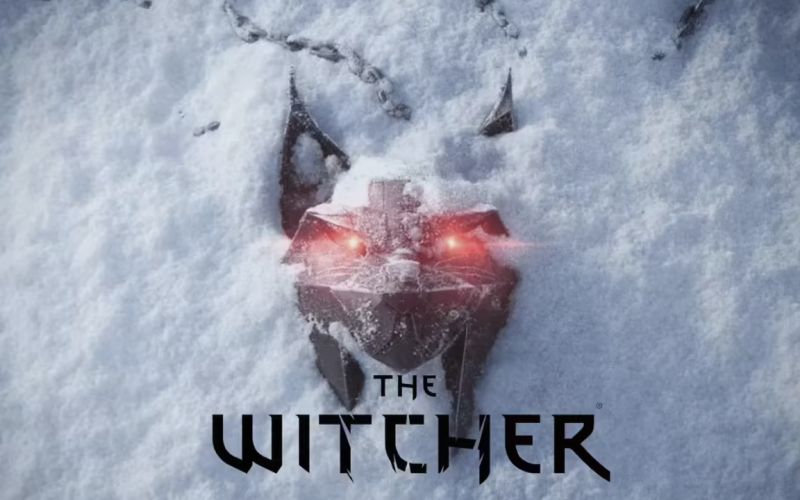
What CDPR Says: A New Witcher Trilogy in Six Years
According to recent reporting, CD Projekt RED’s co‑CEO Michał Nowakowski said in a company meeting that the studio plans to launch a whole new trilogy of Witcher games — Witcher 4, 5, and 6 — within six years.
The decision to meet this schedule is backed by the studio's switch to Unreal Engine 5 (UE5) for Witcher 4, with which they claim to have made excellent progress.
Nowakowski reportedly said that thanks to the technical advances and optimizations of UE5, subsequent entries in the trilogy (i.e., Witcher 5 and Witcher 6) could be completed more rapidly and with a more predictable release cadence compared to past Witcher games.
🔧 Development Context & What’s Known
- Witcher 4 has already entered full production, and its world is being built using Unreal Engine 5 — a shift away from CDPR’s proprietary REDengine.
- The studio showcased a UE5 “tech demo” for Witcher 4 at the 2025 Unreal Fest, demonstrating the engine’s open‑world capabilities — a sign that CDPR is confident in the technical foundation for the trilogy.
- Despite the ambitious six-year trilogy plan, CDPR has confirmed that Witcher 4 will not be released in 2026, meaning the earliest likely release is 2027 or later.
⚠️ What Remains Uncertain
- CDPR has not issued any official release dates for Witcher 4, Witcher 5, or Witcher 6. As of now, the “six‑year plan” is a high‑level schedule, not a commitment to specific launch windows.
- While UE5 offers technical advantages that may shorten development time, history suggests that open-world RPGs (especially those of the Witcher scope) often face delays. Many outlets call the “six‑year three‑game” target optimistic.
🎯 What This Means If It Holds True
If CDPR succeeds in releasing three Witcher games in six years, it could mark one of the fastest‑paced major RPG sagas in recent memory — with potential benefits including:
- A more predictable release rhythm for fans.
- A continuous, evolving narrative arc across multiple major entries.
- Technical improvements thanks to the reuse of UE5-based tools and pipelines.
On the other hand, the aggressive schedule also raises questions about quality assurance, scope management, and whether the game’s ambition may need to be scaled to meet deadlines.
The above content is compiled by ModeZone, a fashion and entertainment magazine.