In recent years, the gaming industry has been inundated with remakes and remasters, reviving beloved classics with stunning visuals and refined gameplay. Titles like Live A Live and Romancing SaGa 2: Revenge of the Seven have finally reached broader audiences, and many of these projects are genuinely excellent. Yet, as someone who's reviewed a stack of them, there's a nagging sense that something's missing: ambition.
This realisation hit home while playing Dragon Quest I & II HD-2D Remake. These aren't just upgrades—they're opportunities to reimagine stories that defined genres. However, developers often play it safe, sticking to the original plot, characters, and beats while refining the graphics and adjusting the controls. That's remaster territory, not a faithful remake. Why remake at all if you're not willing to transform?
The Problem with Faithful Recreations
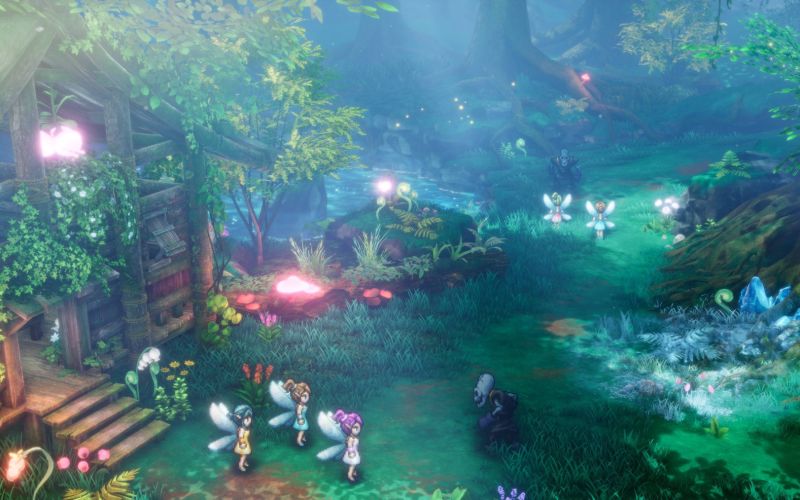
Take Dragon Quest I HD-2D Remake as a good example for you. The original's story is bare-bones: a hero from legendary lineage rescues a princess and slays the Dragonlord. The remake adds flair—new villages for dwarves and fairies, extra bosses, and tweaks like redesigned locked doors. It even introduces unnamed soldiers from Tantagel Castle early on, each with a tragic backstory: one dies from a curse, another is a deserter, and the third is wracked by guilt.
These could have been compelling NPC companions, fleshing out the world and the hero's journey, much like the expanded role of the Princess of Cannock in Dragon Quest II HD-2D Remake. Instead, they're sidelined after a few cutscenes. Princess Gwaelin receives a captivity subplot, highlighting her plight, but she eventually fades into a distant advisory role. The core narrative remains unchanged, squandering opportunities for depth—such as the lore of ruined cities or the hero's personal crises.
Bolder twists? Imagine Gwaelin tempted by evil, the hero doubting his destiny in a soul-searching arc, or even accepting the Dragonlord's half-world offer (hey, there's already a game for that!). These subversions would surprise veterans while honouring the essence.
This isn't isolated. Resident Evil 4 Remake is a triumph of action-horror, but utterly predictable if you've played the 2005 original. Why not explore scrapped concepts like the "Castle" or "Hallucination" prototypes for an alternate universe? Other offenders include Super Mario RPG (Switch), Metal Gear Solid Δ: Snake Eater, and Persona 3 Reload—all solid, but creatively handcuffed by fidelity.
|
Faithful Remakes Lacking Boldness |
Why They Fall Short |
|
Dragon Quest I & II HD-2D Remake |
Superficial additions; core story untouched |
|
Resident Evil 4 Remake |
Excellent execution, but no narrative risks |
|
Super Mario RPG (Switch) |
By-the-numbers update |
|
Metal Gear Solid Δ: Snake Eater |
Sticks to original beats |
|
Persona 3 Reload |
Modernised, but uninspired structurally |
Lessons from Other Media: Innovation Wins
Games aren't alone in this—other media thrive on reinterpretation. Superman has numerous cinematic adaptations, The Lord of the Rings spans both live-action and animation, and classics like Sherlock Holmes, Frankenstein, and Arthurian legends receive endless reimaginings. Even creators revisit their work, as in the transformative Rebuild of Evangelion films. These don't erase originals; they enrich the legacy.
Fan backlash? Inevitable, but remakes were never for purists who want pixel-perfect clones. The original lives on digitally forever.
The Gold Standard: Final Fantasy VII Remake
Enter Final Fantasy VII Remake (and Rebirth). Everyone knows Cloud, Sephiroth, and Midgar—yet Square Enix twists them into something fresh. Familiar arcs are recontextualised, sparking debate while delivering captivation. It proves that remakes can innovate without betraying the original.
A Hopeful Horizon
The future shines brighter. Danganronpa 2x2 promises an alternate plotline, Yakuza Kiwami 3 spotlights a villain in new scenarios (paired with Dark Ties), and Dragon Quest VII Reimagined could finally deliver the ambition we crave.
Remakes are a canvas for reinvention—preserve the soul, but dare to surprise. Developers, don't fear the change; embrace it. The classics endure, but bold remakes could redefine them.
The above content is compiled by ModeZone, a fashion and entertainment magazine.