What James Cameron Says about Generative AI and Film
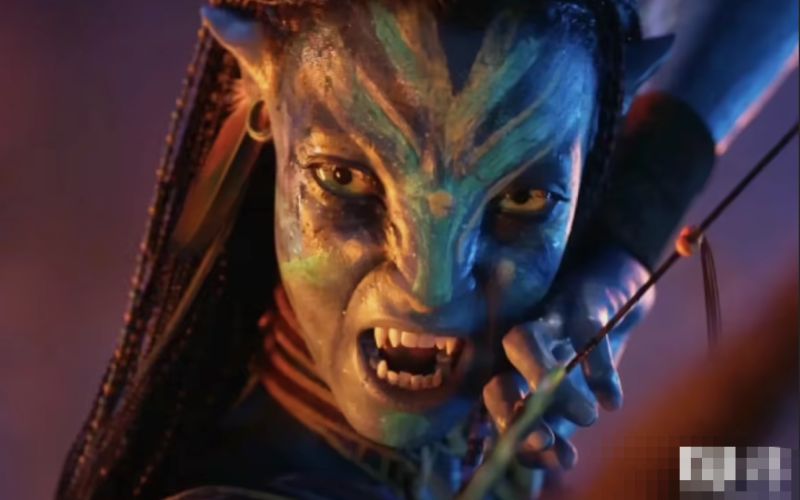
- In a recent interview (on CBS Sunday Morning, ahead of the release of Avatar: Fire and Ash), Cameron described generative-AI actors and text-prompt-generated performances as “horrifying.” He contrasted them with motion-capture acting — which he views as a collaboration between human actors and filmmakers, a “celebration” of human creativity and emotion.
- He said that with generative AI, you can “make up an actor, make up a performance, even an entire production from scratch with a text prompt” — and this, to him, is the “opposite” of what cinema should be.
- Cameron stated he does not want computers replacing actors: “I don’t want a computer doing what I pride myself on being able to do with actors. I don’t want to replace actors, I love working with them.”
🌐 Why Cameron Is Concerned — His View on AI’s Limits
- He argues that generative-AI outputs essentially remix what already exists — even when they are considered “creative” — but they lack the lived experience, unique perspective, and emotional authenticity that human artists bring. He believes that this uniqueness is what gives stories their emotional weight and resonance.
- Cameron warned that unchecked generative AI usage could undermine the “sacred moment” of human performance — the spontaneity, nuance, and emotional interplay between real actors and the director — reducing cinema to something generic and hollow.
🎯 What This Means for Film, Creativity & AI
- Even if one of Hollywood’s most VFX-forward filmmakers accepts cutting-edge visual effects, Cameron signals a clear boundary: technology should enhance human creativity — not replace it.
- His stance highlights a broader debate in the entertainment and creative industries: Can generative AI tools produce art with the same emotional depth and authenticity as human artists? Cameron’s answer: not yet — and perhaps, for what matters in storytelling, never.
• • As generative AI becomes more capable, Cameron’s remarks serve as a warning that the “soul” of art may be at risk if creators & audiences accept AI-generated “performances” as equivalent to human ones.
The above content is compiled by ModeZone, a fashion and entertainment magazine.